The Thrill of the Game
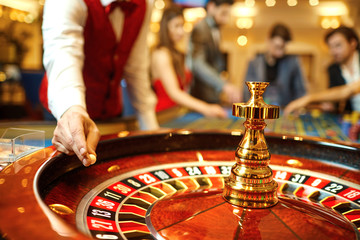
The primary allure of casinos lies in the exhilarating thrill they provide. The atmosphere is charged with excitement, characterized by bright lights, vibrant colors, and the sounds of rolling dice and spinning wheels. This intoxicating environment draws people in, offering them the chance to win big. Even when the odds are stacked against them, the hope of hitting the jackpot keeps players returning for more, especially when they explore options like https://thelittleflame.co.uk/en-gb/ where they can find unique gaming experiences. The sensory overload of a casino creates an irresistible urge to engage in just one more game, driven by the adrenaline rush that accompanies each bet.

This thrill often serves as a temporary escape from the stresses of everyday life. For many, entering a casino feels like stepping into an alternate reality where their worries momentarily fade away amidst the flashing lights and cheerful chatter. In today’s fast-paced society, individuals are increasingly seeking moments of joy and excitement. The adrenaline rush associated with gambling can become addictive, as players chase the exhilarating high that comes with potential wins. This desire for escapism is a key factor that keeps patrons coming back, despite the inherent risks involved.
The social aspect of casinos enhances their charm. Many patrons find joy in the camaraderie that comes with playing games alongside others. Whether it’s sharing a table during a game of poker or cheering for friends at the slot machines, these interactions foster a sense of community. This social environment transforms gambling from a solitary act into a shared adventure, making it especially appealing for those looking to connect with others. The combination of thrill, escapism, and social interaction creates a potent draw that keeps people flocking to casinos.
The Psychological Aspect of Gambling
Understanding the psychological factors at play can illuminate why individuals are willing to overlook the unfavorable odds when gambling. One common phenomenon is known as the “Gambler’s Fallacy,” where players mistakenly believe that past outcomes will influence future results. For instance, if a player notices that a particular number hasn’t appeared in roulette for several spins, they may convince themselves that it is due to “hit” soon. This misjudgment can lead to irrational decision-making, perpetuating gambling behavior despite the inherent risks.
Moreover, the concept of “near-misses” significantly influences a gambler’s motivation to continue playing. When players feel they are close to winning—like hitting two out of three matching symbols—they often become more determined to keep betting. This psychological tactic is deliberately designed into many casino games. The near-miss experience tricks the brain into believing that winning is just around the corner, prompting players to invest more time and money into the games with the hope that their luck will ultimately change.
The excitement generated by the potential for a win is further amplified by casinos’ use of bonuses and rewards programs. These incentives not only create a sense of loyalty among players but also make them feel valued, increasing their willingness to return. While the odds may suggest that losses are more likely, the promise of rewards can cloud judgment and encourage continued play, reinforcing the cycle of gambling even in the face of unfavorable outcomes. This interplay between psychology and gambling behavior makes it challenging for players to recognize when they should stop.
The Role of Luck vs. Skill
The hope of relying on luck to change fortunes is a powerful motivator for many individuals who are drawn to casinos. The allure of chance—that a single roll of the dice or a spin of the wheel could dramatically alter someone’s life—is tantalizing. This belief in luck often overshadows the knowledge that most casino games are designed with a house edge, making sustained wins unlikely. Nevertheless, the allure of hitting it big compels people to take risks, regardless of the odds stacked against them.
In contrast, certain games introduce an element of skill, luring players who relish the challenge of mastering strategies. For example, poker is heavily influenced by skill and psychology, where players believe that their ability to outsmart opponents can significantly affect the outcome. The blend of skill and luck creates a dynamic that encourages players to participate, as they feel they can influence their chances of winning. This belief often leads to a deeper emotional investment in the game, as players feel empowered when they can apply their skills effectively.
The interplay between luck and skill not only affects players’ strategies but also shapes their emotional attachment to gambling. The thrill of winning, regardless of the method, fosters a sense of accomplishment and reinforces the desire to continue playing. Players tend to remember their wins more vividly than their losses, creating a skewed perception of their overall experience. This selective memory can keep individuals returning to casinos, perpetuating the cycle of gambling despite evident long odds against them. By focusing on their victories, players maintain a hopeful outlook that encourages further play.
The Influence of Marketing and Promotions
Marketing strategies employed by casinos are designed to entice people into their establishments and keep them engaged. From complimentary drinks to extravagant entertainment, casinos know how to create an atmosphere where patrons feel important and appreciated. These strategies extend beyond the physical space; targeted advertisements and promotional offers also play a critical role in drawing people in. By framing gambling as an alluring and glamorous activity, casinos attract individuals who might not have otherwise considered engaging in gambling.
Promotional offers, such as free spins or sign-up bonuses, encourage new players to try their luck without a significant financial commitment. These incentives can make gambling feel safer and more accessible, luring in those who may be hesitant to risk their money. The perceived value of these promotions can obscure the inherent risks associated with gambling, making it easier for individuals to justify placing bets. As a result, these marketing tactics effectively lower the barriers to entry for potential gamblers.
Furthermore, loyalty programs foster a sense of belonging among frequent visitors. Players accumulate points or rewards, giving them an incentive to return to the casino. This strategy strengthens the connection between the player and the establishment, often leading to a sense of loyalty that can overshadow the risky nature of gambling. As players chase rewards, they may continually overlook the long odds, focusing instead on the immediate gratification these programs offer. This blend of marketing savvy and player psychology keeps casinos bustling with activity.
Exploring Responsible Gambling Resources
While many enjoy games of chance, it is crucial to recognize the importance of responsible gambling practices. Understanding one’s limits and knowing when to walk away can significantly mitigate the risks associated with casino visits. Various organizations provide resources to help individuals identify problematic gambling behaviors and promote safe play. These resources equip players with valuable information, assisting them in making informed decisions about their gaming habits and helping to ensure they enjoy their experience responsibly.
Additionally, many casinos have begun implementing their own responsible gambling initiatives, offering players resources to promote self-regulation. From setting limits on spending to recognizing signs of addiction, these programs aim to create a safer gambling environment. Such initiatives protect players and enhance the casino’s reputation by demonstrating a commitment to social responsibility. By fostering a culture of responsible gambling, casinos can contribute to a healthier gaming community.
For those seeking an entertaining experience without falling into gambling’s potential pitfalls, there are numerous options available. Many casinos now feature alternative forms of entertainment, such as live shows, fine dining, and social activities, providing visitors with enjoyable experiences that do not solely revolve around gaming. By promoting these alternatives, casinos can cater to a broader audience while encouraging responsible enjoyment of their offerings. This diversification of attractions helps maintain a vibrant atmosphere while ensuring that gambling remains a choice, not a necessity.